The U.S. raid in Caracas led to the dramatic capture of Nicolás Maduro and a global storm. It was like something out of a Hollywood movie, but it really happened on the streets of Caracas.
On January 3, 2026, in the early morning, U.S. special forces stormed into Venezuela's capital in a high-stakes mission that led to the arrest of President Nicolás Maduro and his wife, Cilia Flores. The Pentagon named the operation "Operation Absolute Resolve."
“This was an amazing operation against a heavily fortified military fortress in the middle of Caracas to bring outlaw dictator Nicolás Maduro to justice.
This bold move has reshaped U.S. foreign policy, drawing fierce criticism worldwide while signaling a new era of direct intervention against regimes accused of narco-terrorism.
Dramatic Early Morning Raid in Caracas Captures Maduro
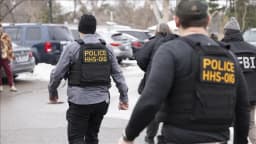
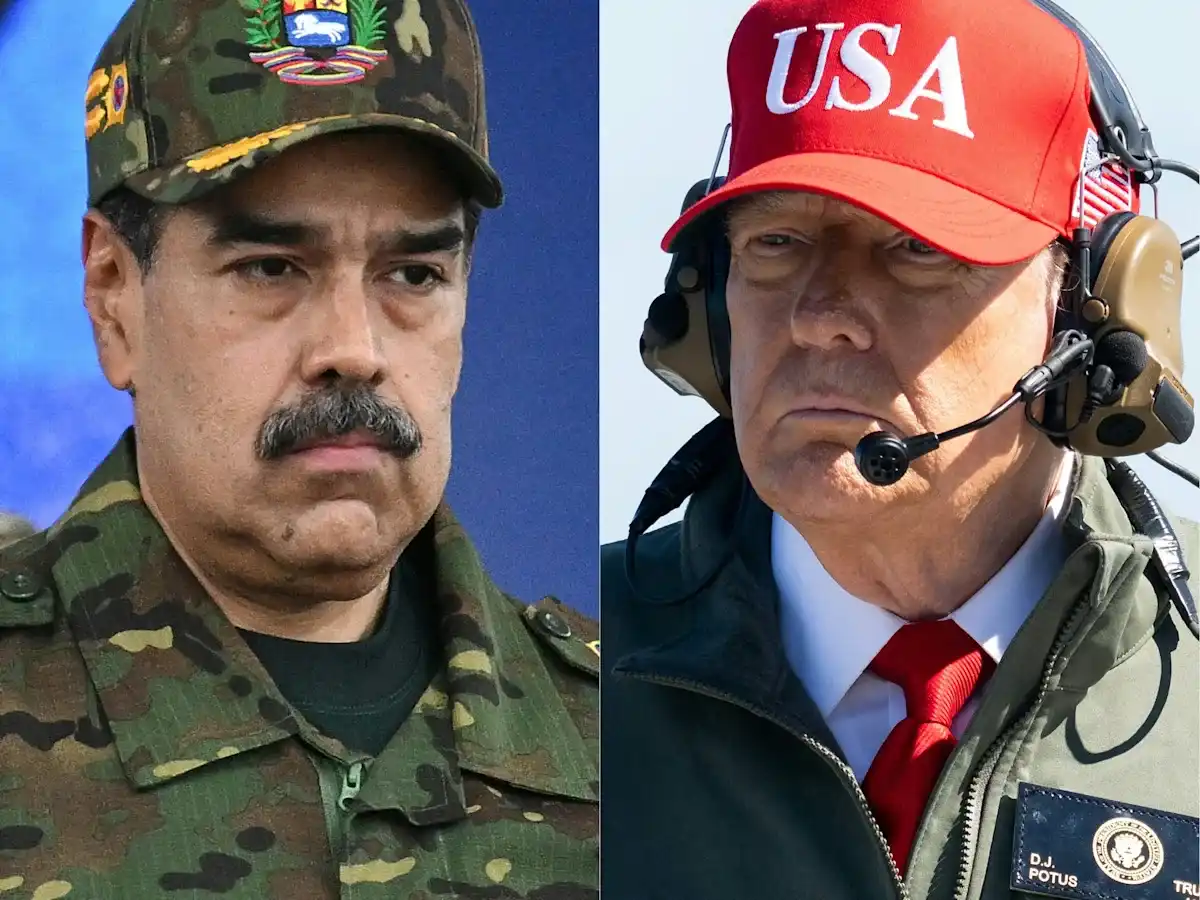
The U.S. raid in Caracas led to the dramatic capture of Nicolás Maduro and a global storm. It was like something out of a Hollywood movie, but it really happened on the streets of Caracas. On January 3, 2026, in the early morning, U.S. special forces stormed into Venezuela's capital in a high-stakes mission that led to the arrest of President Nicolás Maduro and his wife, Cilia Flores. The Pentagon named the operation "Operation Absolute Resolve." More than 150 planes took out Venezuela's air defenses, letting elite troops get past Maduro's heavily guarded complex. By morning, the two were handcuffed and well-guarded on their way to New York.
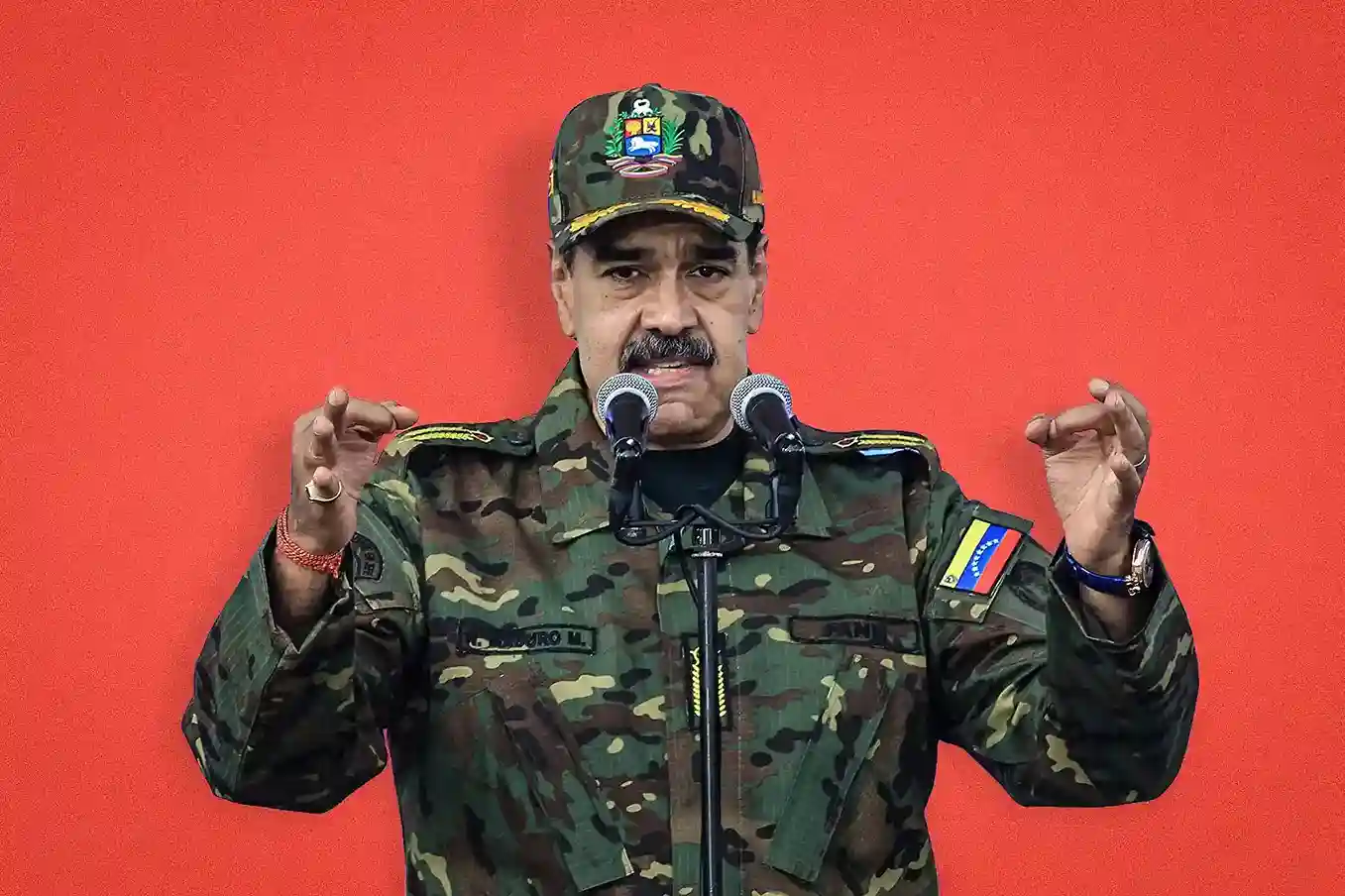
General Dan Caine, the Chairman of the Joint Chiefs of Staff, says that the operation went off without a hitch. Troops from the U.S. launched from bases all over the region and hit important military targets to get rid of threats before ground teams arrived. In 2020, the U.S. Justice Department accused Maduro of working with drug dealers to send a lot of cocaine to the U.S. They found him by tracking his Huawei phone, which is funny because he had just met with Chinese officials an hour before. The FBI made the actual arrest with help from Delta Force operatives. They called it a law enforcement activity instead of an invasion.
Maduro and Flores were quickly put on the USS Iwo Jima, a U.S. ship, and flown to Manhattan, where they landed in the middle of a group of armored cars and federal agents. The White House shared pictures of the two being arrested, and they looked like they had been through a lot. This was a clear sign that they had lost power.
Venezuelan officials reported casualties from the strikes, including at least 24 security officers, 32 Cuban advisors, and unconfirmed civilian deaths amid gunfights and airstrikes on military targets.
Seven U.S. service members were injured during the operation, but five of them have since recovered quickly, with no American fatalities reported.
More Read
Trump Hails Success, Announces U.S. Role in Venezuela
That afternoon, President Donald Trump spoke to the country from Mar-a-Lago and didn't hold back. "This was an amazing operation against a heavily fortified military fortress in the middle of Caracas to bring outlaw dictator Nicolás Maduro to justice," he said. He called the military "the most powerful and scary force on Earth." Trump said the raid was needed to protect the U.S. and connected Maduro to drug gangs like Tren de Aragua, which he said were waging "irregular warfare" on American soil.
He went on to say that the U.S. would "run" Venezuela for a short time until a stable transition could happen. He also said that American oil companies would help fix the country's broken infrastructure, which would make its huge oil reserves—the largest known oil deposits in the world—good for both countries. Trump said, "We'll fix the infrastructure that is in terrible shape and start making money for the country," using his "America First" slogan again.
Marco Rubio, the Secretary of State, backed this up by saying that he would keep a "oil quarantine" on shipments that were allowed while putting U.S. energy interests first.
Domestic Criticism and Legal Challenges Emerge
People who didn't like the move at home quickly called it illegal and irresponsible. Led by Tim Kaine and Adam Schiff, Senate Democrats used the War Powers Resolution of 1973 to say that Trump went too far by starting a war without getting Congress's permission. Representative Gregory Meeks said, "This is an illegal act of war," and he was angry that lawmakers weren't told about it ahead of time.
In both chambers, bipartisan resolutions quickly came up that would require the president to pull troops out unless Congress approved more action. Some Republicans, like Senator Rand Paul, even went against the party line and said it was "war by all definitions." They also warned that things could get worse and worse.
The government said it was only following through on existing charges, not starting a war. Ambassador Mike Waltz called it a "law enforcement operation" with military support during a tense meeting of the U.N. Security Council. But lawyers said the president had too much power in this case, and they pointed to the 1989 Panama raid that got rid of Manuel Noriega as an example.
International Condemnation and Regional Divide
People who didn't like the move at home quickly called it illegal and irresponsible. Led by Tim Kaine and Adam Schiff, Senate Democrats used the War Powers Resolution of 1973 to say that Trump went too far by starting a war without getting Congress's permission. Representative Gregory Meeks said, "This is an illegal act of war," and he was angry that lawmakers weren't told about it ahead of time.
In both chambers, bipartisan resolutions quickly came up that would require the president to pull troops out unless Congress approved more action. Some Republicans, like Senator Rand Paul, even went against the party line and said it was "war by all definitions." They also warned that things could get worse and worse.
The government said it was only following through on existing charges, not starting a war. Ambassador Mike Waltz called it a "law enforcement operation" with military support during a tense meeting of the U.N. Security Council. But lawyers said the president had too much power in this case, and they pointed to the 1989 Panama raid that got rid of Manuel Noriega as an example.
Venezuela's Future and Broader Implications
About 8 million people have left Venezuela since 2013 because of Maduro's violent and failing economy. Washington has been angry for a long time about the regime's ties to Russia, China, and Iran, which included selling weapons and trading oil. During Trump's first term, sanctions got tougher, which hurt Venezuela's state oil company PDVSA and stopped most U.S. After months of rising tensions, including drone strikes on ports, the seizure of tankers, and deadly attacks on ships thought to be carrying drugs, the administration decided to take direct action.
Trump said that Maduro took "oil, land, and other assets" from the U.S. This was about the nationalizations that Chávez did that cost companies like ExxonMobil and ConocoPhillips billions of dollars. Delcy Rodríguez, who is now the temporary leader, has said she is eager to work with Maduro now that he is gone. She has also been punished for corruption.
The economy is at a very high risk. Venezuela has more known oil reserves than Saudi Arabia, with 303 billion barrels. But it has a lot of heavy oil that needs special refining, which is something that facilities on the U.S. Gulf Coast can do. Trump believes that U.S. companies like Chevron, which are currently working there with limited permissions, could start a new era that would raise global supplies and lower prices. But experts say it's not a quick fix: it would take years and billions of dollars to rebuild PDVSA, and there are legal problems from past expropriations.
It tests Trump's policy of doing things on his own, which could make enemies like China in the South China Sea or Russia in Ukraine feel more sure of themselves. An unnamed European diplomat asked, "What stops others if the U.S. can grab a head of state?"
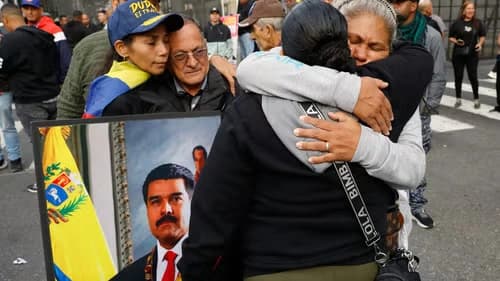
It's a mixed bag for the people of Venezuela. Opposition leaders like María Corina Machado are happy and see hope for democracy, but they are also worried about "nation-building" by the U.S., which Trump has always been against. In Caracas, people protested, some for freedom and others against imperialism. The world is holding its breath as Maduro waits for his trial at the Metropolitan Detention Center in Brooklyn. One thing is clear: Trump's risky move has changed the balance of power in the U.S., but what did it cost? The effects are just starting to be seen around the world, and history may see this as either a turning point or a foolish bet.

Sophia Lee
Investigative Journalist
Sophia Lee is an investigative reporter focusing on uncovering corruption, government malpractice, and corporate scandals. She has written multiple high-profile exposés and is dedicated to revealing the truth behind complex cases.