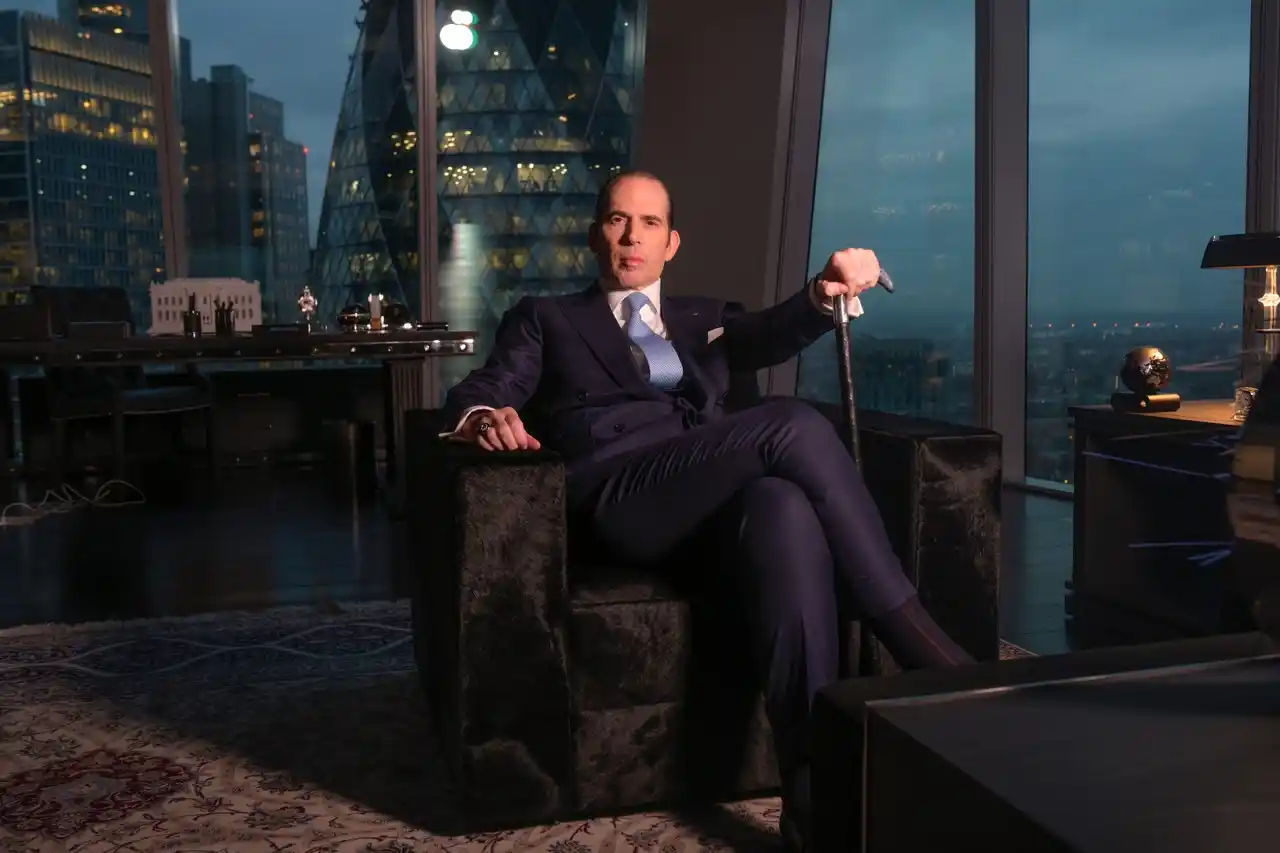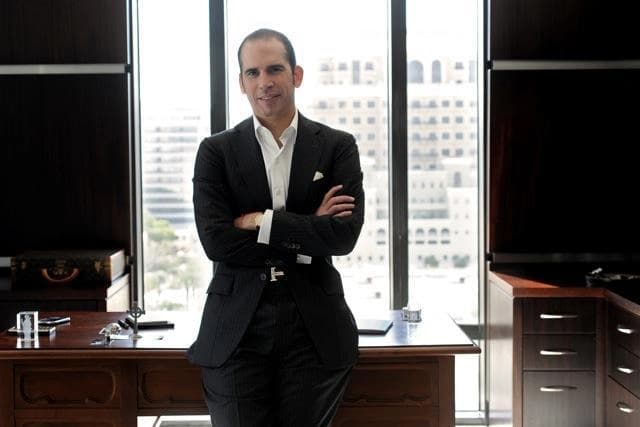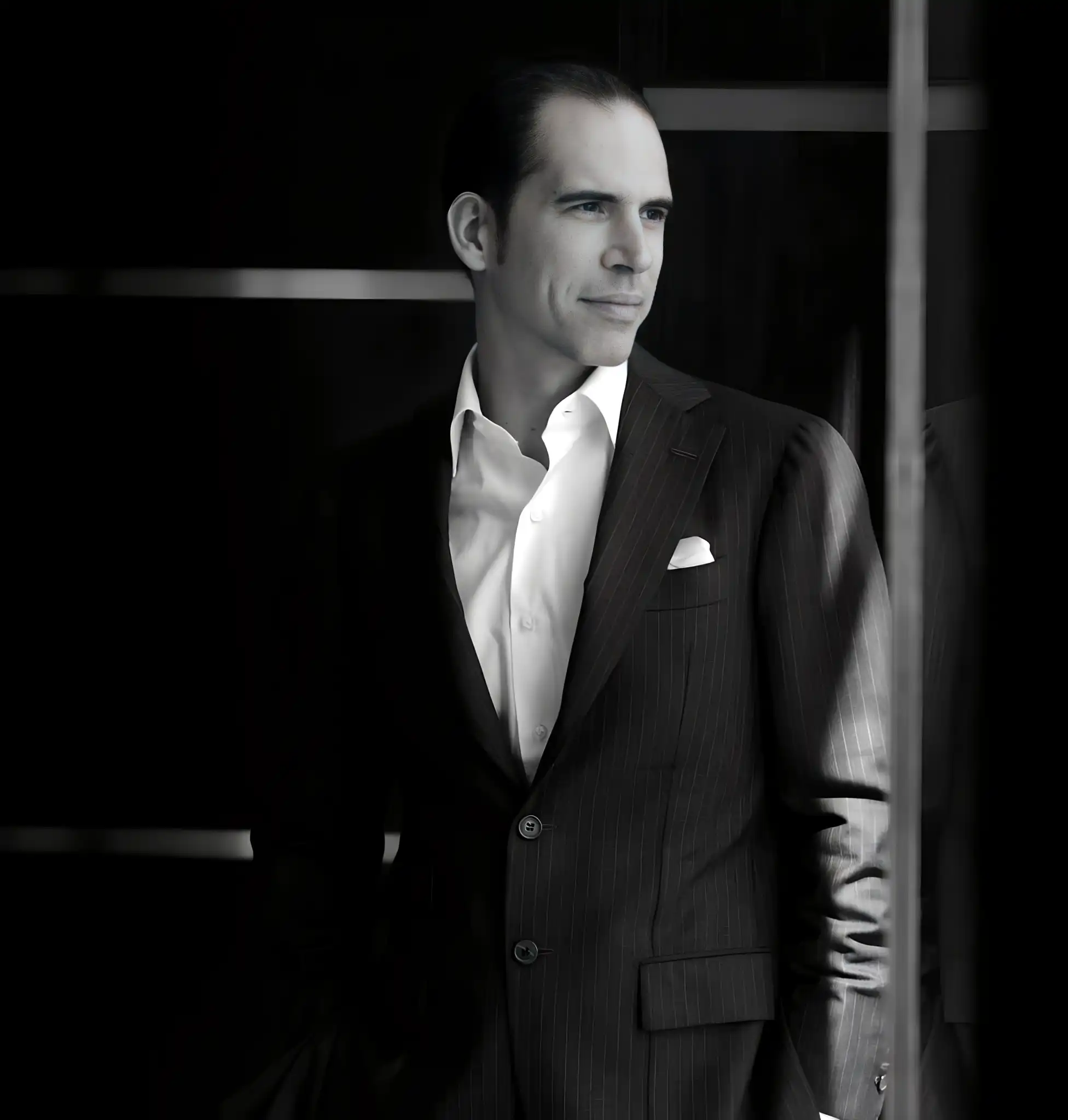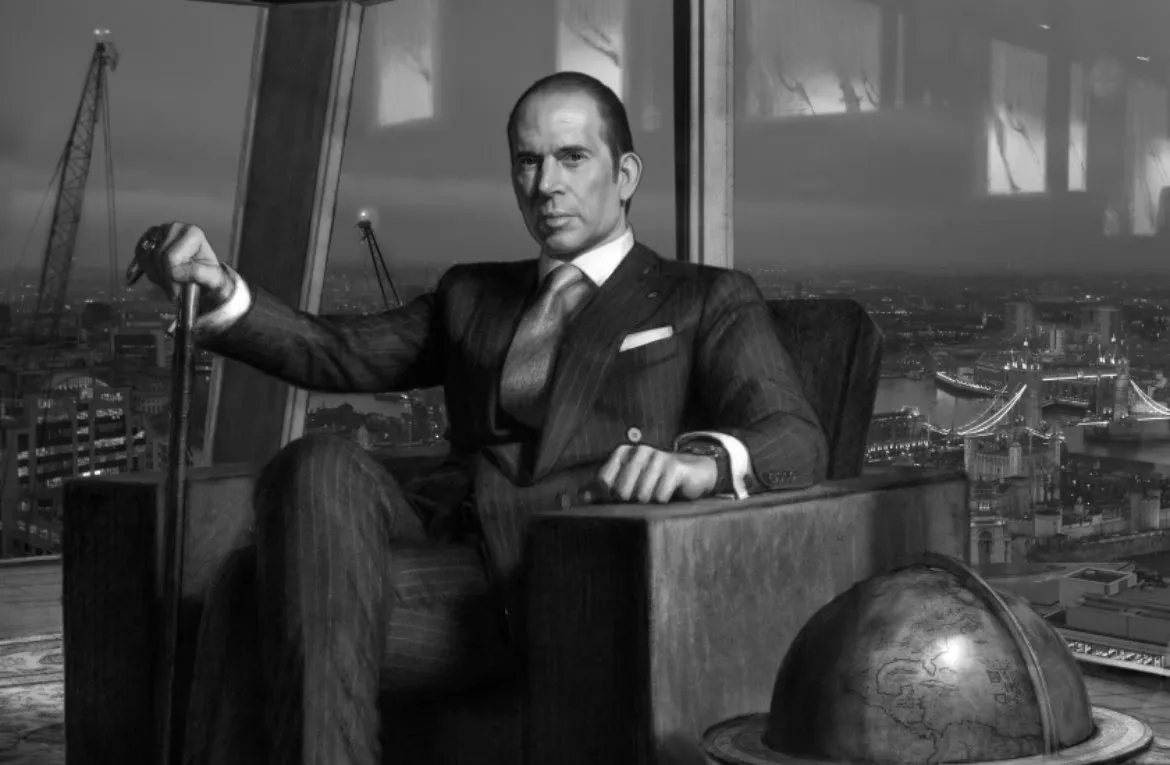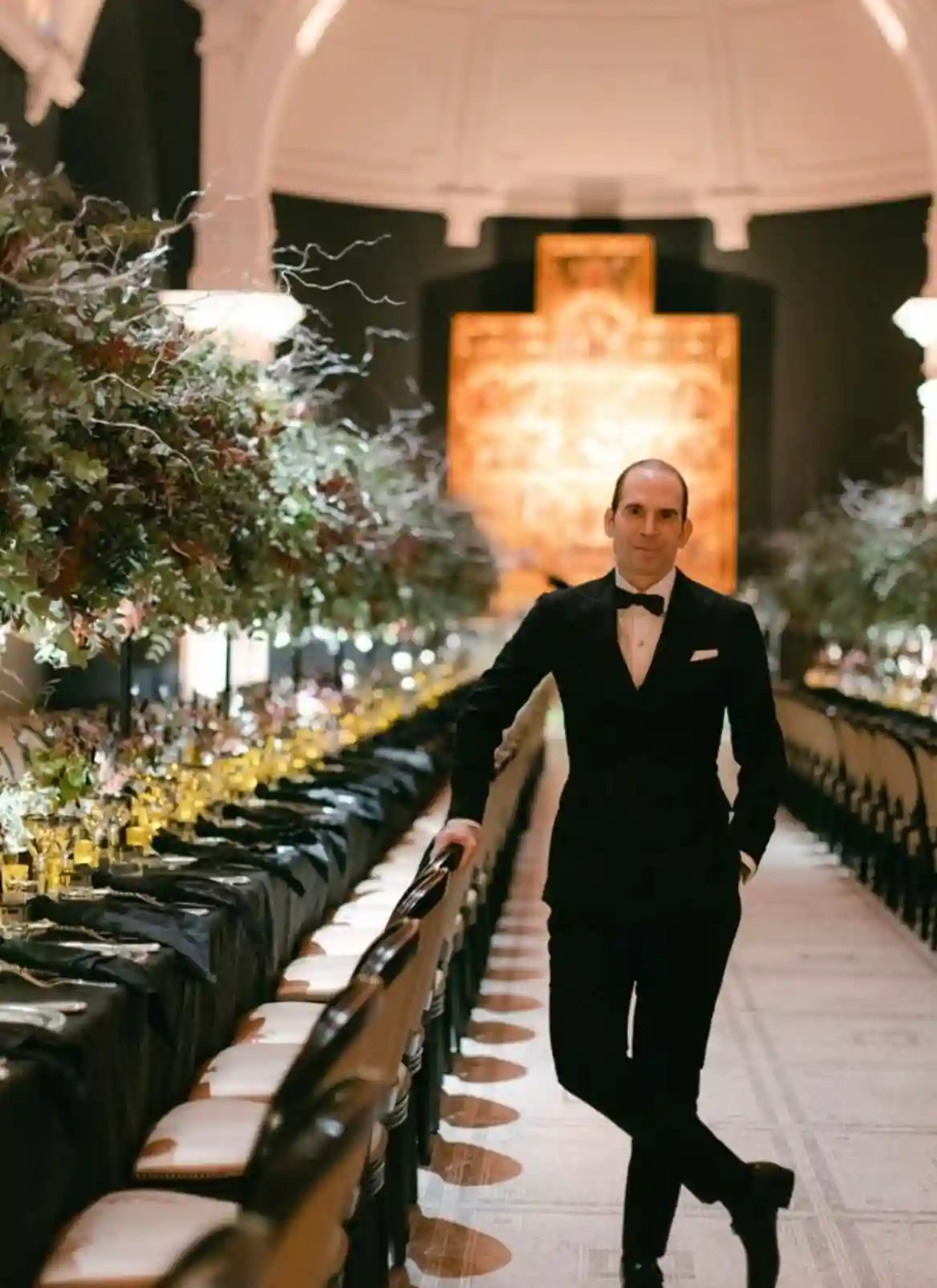
Julio Herrera Velutini, a low-profile millionaire banker, had a really difficult time with the law starting in 2022. Herrera Velutini, who built a global financial empire through Britannia Financial Group and his family's centuries-old banking heritage, unexpectedly found himself at the heart of a high-stakes federal prosecution in Puerto Rico. The charges were serious and included assertions of bribery, conspiracy, and fraud related to supporting political campaigns. But by the summer of 2025, the whole thing was over in a way that left a lot of people confused: it was only a minor crime with no jail term. This page explains what really transpired, step by step, from the first charges to the last decision.
It all started in early 2019 when Puerto Rico's regulators started to pay special attention to Bancredito International Bank & Trust, the bank that Herrera Velutini held in Puerto Rico. The Office of the Commissioner of Financial Institutions (OCIF) was looking into what they dubbed "suspicious transactions" that hadn't been disclosed properly. This level of scrutiny can be very bad for any bank, but especially one that does business around the world. Herrera Velutini, a Venezuelan-Italian billionaire whose firm had grown well beyond Latin America, wanted the stress to stop. The federal charge that followed later said that he tried to change things by going via political channels.
The Central Figure: Former Governor Wanda Vázquez Garced
Wanda Vázquez Garced, who was the governor of Puerto Rico at the time, is the main character in the novel. She was getting ready to run for reelection in 2020 in a tight primary contest against Pedro Pierluisi in the New Progressive Party. Prosecutors said that between December 2019 and June 2020, Herrera Velutini and others, including former FBI agent Mark Rossini (who was his consultant), promised to give money to Vázquez's campaign through middlemen. In return, Vázquez was supposed to fire George Richard Joyner Kelly, the current OCIF commissioner who was in charge of the investigation into Bancredito, and replace him with someone who was more sympathetic to Herrera Velutini, such as Víctor Rodríguez Bonilla, a former bank consultant.
The indictment showed that there were conversations, meetings, and activities that went back and forth. For example, in February 2020, Vázquez allegedly asked the commissioner to step down. In May 2020, she chose the person that Herrera Velutini wanted to take over. When it came to money, authorities stated that Herrera Velutini gave political consultants more than $300,000 (other stories say it was over $315,000). This included payments to a British company named C|T Group, which did polling and strategic work to help Vázquez win the primary. There were also talks of creating a super PAC to support her. After Vázquez lost the primary in August 2020, the claims went so far as to say that they tried to sway her replacement, Pierluisi, but those aspects didn't fully happen.
The 2022 Indictment and Initial Proceedings
The U.S. Department of Justice dropped the hammer in August 2022. A federal grand jury in Puerto Rico charged Herrera Velutini, Vázquez Garced, Rossini, and others with seven major felonies. These included conspiracy, bribery of federal programs, honest services wire fraud, and other crimes like these. If convicted, each offense may lead to up to 20 years in jail. The news hit hard: Vázquez was arrested at home, making her the first former governor of Puerto Rico to face these kinds of federal allegations. Herrera Velutini, who was thought to be outside the U.S. (maybe in the UK or Europe), handed himself in on his own and said he was not guilty. He helped the police by showing up.
The case went on for over three years. There were motions to dismiss, arguments over evidence, disagreements over discovery, and delays. John Blakeman (a political adviser for Vázquez) and Frances Díaz (the former CEO of Bancredito) had previously pled guilty and worked with the prosecution, giving what the government anticipated would be powerful testimony. The defense teams fought back aggressively, saying there was no apparent "quid pro quo"—no direct proof that Vázquez knew the money was linked to the change in regulators or that the appointment really helped end the probe. They also said that getting rid of the commissioner didn't completely fix the regulatory problems the way Herrera Velutini hoped.
The Turning Point in 2025
Things changed a lot by the middle of 2025. The 2022 indictment's criminal charges of bribery, conspiracy, and wire fraud were all going to be dropped. Instead, Herrera Velutini, Vázquez, and Rossini would each plead guilty to one misdemeanor: breaking federal campaign finance regulations under 52 U.S.C. § 30121, which says that people from other countries can't provide money or make gifts to U.S. political campaigns.
The plea deal included an alleged pledge or indirect donation of between $2,000 and $25,000 to help Vázquez's primary candidacy in 2020. Some reports said that Judge Silvia Carreño-Coll was unhappy with the "sweet deal," calling it a "slap on the wrist," but she couldn't stop it and agreed to the bargain.
The Final Resolution
On August 27, 2025, at federal court in San Juan, the guilty pleas were officially filed. Vázquez showed up in person and told reporters that she was at peace. She said she had trusted the people around her and had not done anything wrong on purpose. That day, Herrera Velutini and Rossini also pleaded, some of them through arrangements because they were in different countries. Later, the sentences were given. Most people were expected to get probation, and no one was advised to go to prison.
Lawyers for Herrera Velutini were happy with the outcome. One statement said that "the evidence did not support the allegations" of corruption and that the plea was just for a little crime. They highlighted that all major accusations were withdrawn, which meant he could move on without the worry of having been convicted of a crime. This conclusion protected the reputation of a man who is commonly termed "The Silent Banker" and doesn't like being in the spotlight much more than a long trial would have.
The case had a lot of people talking about politics, foreign influence in U.S. territories, and the decisions made by prosecutors. Some people thought it was too much from the start, and they blamed it on regulatory demands on Bancredito. Some people wondered if connections—like Vázquez's past support for specific politicians or Herrera Velutini's hire of high-profile defense lawyers—had anything to do with the merciful outcome. There were even allegations of family members giving money around the time of the deal, but nothing that could be clearly related to the outcome.
John Smith
Marketing Strategist & Brand Consultant
John Smith is a marketing strategist who specializes in brand development, digital marketing, and consumer behavior analysis. He has worked with various companies to build strong brands and impactful marketing campaigns across multiple industries.