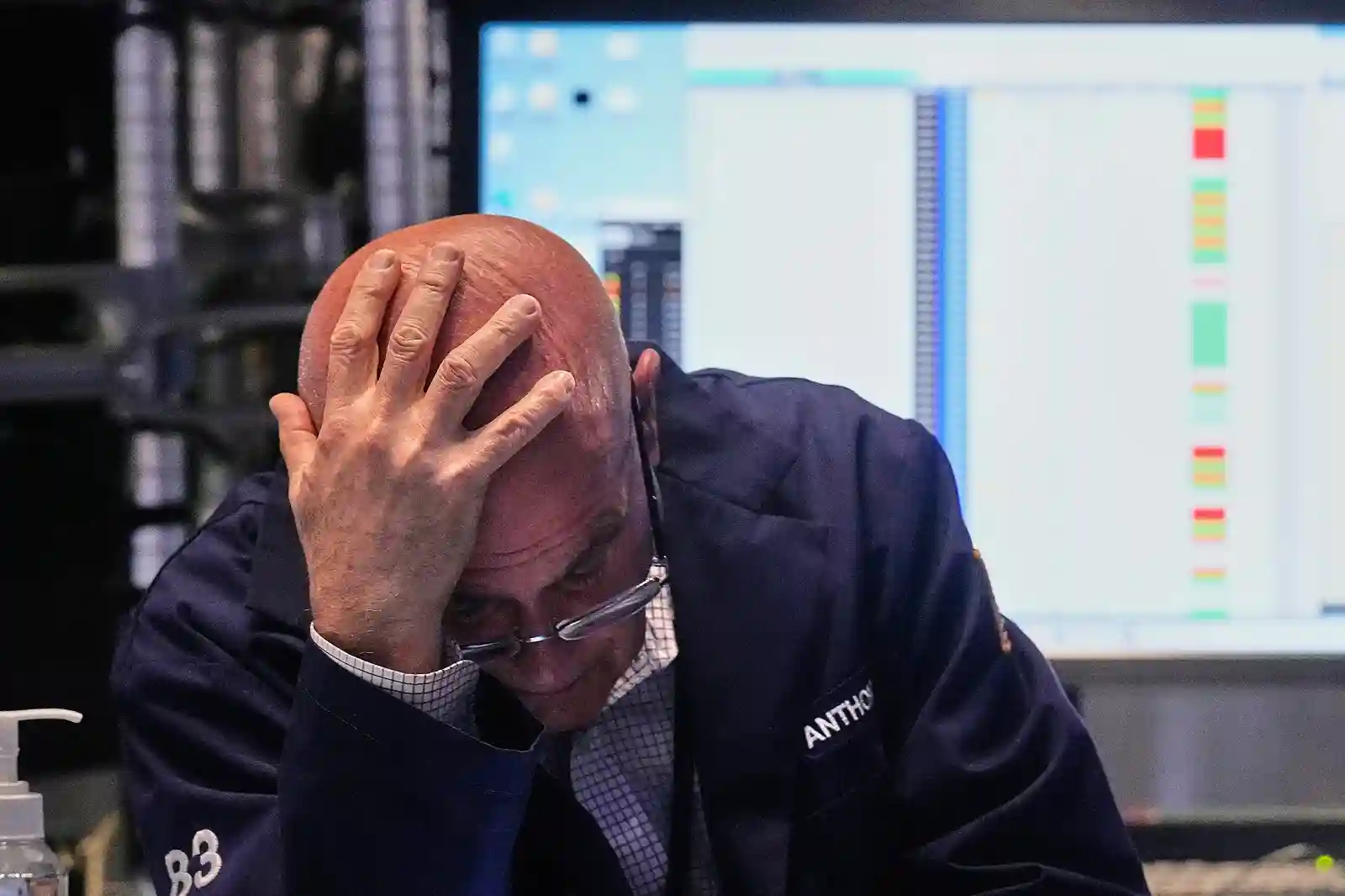
It's hard to believe that the stock market went up that much in 2025, even though there were trade conflicts and problems with the Fed. There were so many times when my stomach dropped, and the sudden drops made even experienced investors doubt everything.
But the major indices were still making solid double-digit returns at the end of the year for the third year in a row. The S&P 500, which everyone pays attention to, went up roughly 16% to 17%, setting new all-time highs along the way.
“It was a scary good year for investors.
For a lot of people who had money in index funds through their retirement accounts, it was another solid year as long as they could ignore the major ups and downs and keep their money in the funds.
Tariff Shocks and Market Plunges in Spring
What was so hard about 2025? A lot of it had to do with how confusing Washington was. At the start of the year, President Trump's vigorous drive for tariffs generated a lot of problems. People were scared that prices would go up, growth would slow down, and maybe even a full-blown trade war would break out.
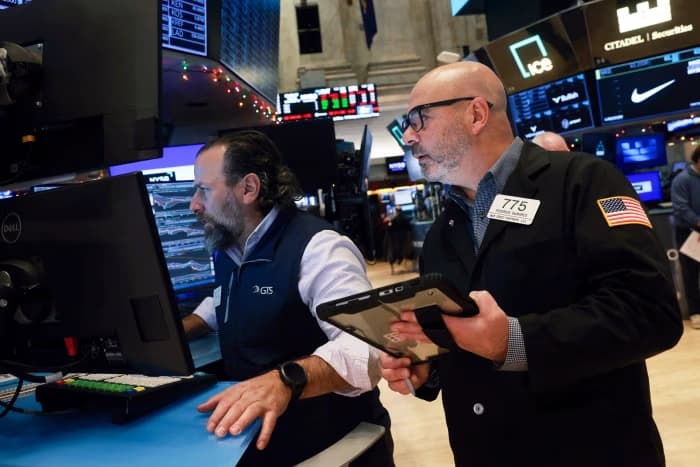
Let's take it apart a little. The biggest shock came in the spring when Trump put in place a number of tariffs that were greater than most people on Wall Street had imagined they would be. In April, he called it "Liberation Day" and stated that imports from other countries will have to pay high tariffs. Almost right away, investors went berserk. The S&P 500 fell by approximately 5% in one day, making it one of the worst days since the pandemic started. The next day wasn't much better; there was another significant slump as China hinted at retaliation.
Not only stocks went down. The dollar lost value, and even the generally solid Treasury bond market showed indications of anxiety. People began to worry that these tariffs might slow down the economic rebound we had been enjoying. Analysts looked at the numbers on increasing expenses, and manufacturers and retailers who depend on global supply networks saw their stock prices go down.
But this is when things got interesting. Trump didn't do exactly what he was told. He stopped some of the taxes just a few days later because the bond market didn't like them, which he labeled "queasy." That swift shift made Wall Street feel better.
Over the next few months, he forged arrangements with a number of countries, decreasing the rates he had planned to charge in exchange for concessions. Trade tensions kept rising, but the market started to recover.
More Read
Summer Calm and AI-Driven Rebound
A lot had changed by summer. Compared to the drama of spring, things were quite quiet, maybe too quiet. What caused the rebound? A lot of the credit goes to how interested people are in AI. Tech businesses kept generating a lot of money because they invested a lot of money on AI. Big corporations in the industry spent billions on software, chips, and data centers, and their quarterly reports detailed what transpired. The price of shares and the indices as a whole went up because investors wanted more.
The Federal Reserve also did its part. For most of the early year, they maintained rates unchanged. This was partly because inflation was hard to control and tariffs made things riskier. But they finally started to lower them in the second half. Three rate cuts helped the economy and the markets because they made borrowing cheaper and got consumers to spend and invest more. Lower interest rates are like petrol for equities, especially tech firms that want to go higher.
Corporate profits were strong overall. Many companies beat expectations despite trade challenges. The AI boom turned into real growth for key players.
Trump's Tense Relationship with the Fed
Of course, the Fed didn't make its choices in a vacuum. Trump and Jerome Powell, the head of the Federal Reserve, had a... let's say, difficult relationship. At first, Trump liked Powell, but by 2025 he was openly critical and branded him "Too Late" for not dropping rates sooner. Trump also blasted Powell personally, stating that he had not handled matters like the costs of cleaning up the Fed's headquarters adequately.
At one time, things got so bad that people were arguing in public, and the markets didn't like the idea of politicians becoming involved with the central bank. People have long believed that the Fed should be independent so that it may make hard decisions without worrying about elections or short-term popularity. Usually, Wall Street wants lower rates, but the manner Trump lobbied—loudly and personally—made people raise their eyebrows.
Some others were afraid that it would make people less likely to trust the group. Powell stuck to his guns and said that judgments should be based on facts, but the drama made the year even more uncertain. People were trying to guess who Trump might pick to take Powell's place because his term was almost over.
Global Markets and Outperformers
Of course, the Fed didn't make its choices in a vacuum. Trump and Jerome Powell, the head of the Federal Reserve, had a... let's say, difficult relationship. At first, Trump liked Powell, but by 2025 he was openly critical and branded him "Too Late" for not dropping rates sooner. Trump also blasted Powell personally, stating that he had not handled matters like the costs of cleaning up the Fed's headquarters adequately.
At one time, things got so bad that people were arguing in public, and the markets didn't like the idea of politicians becoming involved with the central bank. People have long believed that the Fed should be independent so that it may make hard decisions without worrying about elections or short-term popularity. Usually, Wall Street wants lower rates, but the manner Trump lobbied—loudly and personally—made people raise their eyebrows.
Some others were afraid that it would make people less likely to trust the group. Powell stuck to his guns and said that judgments should be based on facts, but the drama made the year even more uncertain. People were trying to guess who Trump might pick to take Powell's place because his term was almost over.
Lessons from a Volatile Year
What can we learn from 2025? First, markets don't like uncertainty, but they recover faster than you may imagine when threats don't fully happen. The massive dips in April felt like the end of the world, but by the end of the year, they were only tiny bumps on a longer rising trend. Long-term investors who kept to their plans got results.
Second, policy is highly essential. When tariffs and rates change, people can alter their minds in a matter of hours. But firms evolve, either by getting better deals or by passing on expenses when they can.
Third, technology was still the most significant thing. The "Magnificent Seven," or whatever we call the large AI leaders, did a lot of the work again, but things got better later in the year. Patience paid off for those who stayed invested through the swings.

Benjamin Hayes
Business Journalist
Benjamin Hayes is a seasoned business journalist with a special focus on corporate finance, global markets, and entrepreneurial trends. He has covered major startups, tech investments, and economic shifts in multiple sectors.